




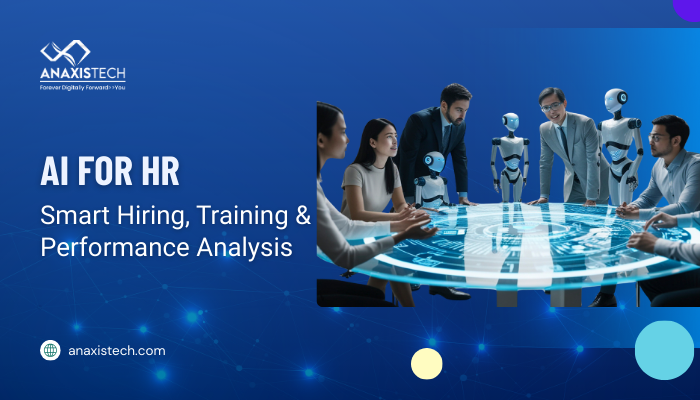
Human Resources is no longer just about managing people—it’s about using data, technology, and intelligence to build stronger, more productive teams. As organizations scale and competition for talent increases, artificial intelligence (AI) is transforming how HR departments recruit, train, and evaluate employees. From predictive hiring to personalized learning paths, AI is reshaping the future of workforce management.
Today, ai in hr is helping businesses make faster, fairer, and more informed decisions across the entire employee lifecycle.
1. Smarter Hiring with AI-Powered Recruitment
Hiring the right talent has always been a challenge, especially when recruiters must sift through hundreds or thousands of applications. AI streamlines recruitment by automating resume screening, matching candidates to job requirements, and reducing unconscious bias.
AI-driven hiring enables:
- Faster candidate shortlisting
- Skills-based matching instead of keyword filtering
- Predictive analysis of candidate success
- Reduced hiring time and costs
By using ai in hr, organizations can focus more on candidate engagement and less on manual filtering.
2. Personalized Training and Learning Development
Traditional training programs often fail because they take a one-size-fits-all approach. AI changes this by analyzing employee skills, performance gaps, and learning preferences to create customized training programs.
AI supports training by:
- Recommending personalized learning paths
- Tracking skill development in real time
- Adapting content based on employee progress
- Identifying future skill requirements
With ai in hr, companies can continuously upskill employees while aligning training with business goals.
3. Data-Driven Performance Analysis
Performance reviews are often subjective and inconsistent. AI introduces objectivity by analyzing real-time data such as productivity metrics, goal completion, collaboration patterns, and feedback trends.
AI-based performance analysis helps:
- Identify high performers and growth potential
- Detect burnout and disengagement early
- Provide continuous feedback instead of annual reviews
- Support fair and transparent evaluations
This creates a culture of improvement, accountability, and trust.
4. Improving Employee Engagement and Retention
Employee retention is a major concern for modern businesses. AI helps HR teams understand what drives engagement by analyzing sentiment, behavior patterns, and feedback.
AI tools can:
- Predict employee attrition risks
- Recommend engagement strategies
- Improve workplace satisfaction
- Support mental well-being initiatives
When implemented correctly, ai in hr enables proactive retention strategies rather than reactive solutions.
5. Automating HR Operations
Beyond hiring and performance management, AI automates routine HR tasks such as payroll queries, leave management, onboarding documentation, and policy updates.
Automation benefits include:
- Reduced administrative workload
- Faster response times
- Improved accuracy
- More time for strategic HR initiatives
This allows HR professionals to focus on people strategy rather than paperwork.
6. Ensuring Fairness, Compliance, and Ethical HR Practices
Modern AI systems are designed to support compliance with labor laws, company policies, and diversity initiatives. AI can help identify bias, ensure documentation accuracy, and maintain audit-ready records.
When aligned with ethical guidelines, AI strengthens trust between employees and management.
Smart hiring is not just about selecting candidates quickly, but about choosing the right talent that aligns with long-term business goals. By integrating data-driven insights into recruitment strategies, organizations can improve hiring accuracy and reduce turnover. Smart hiring also helps companies build diverse and inclusive teams by focusing on skills, potential, and cultural fit rather than traditional hiring biases.
Another important aspect of smart hiring is improving the candidate experience. From the first interaction to final onboarding, AI-powered tools ensure smooth communication, timely updates, and personalized engagement. This not only strengthens employer branding but also increases the chances of attracting top talent in competitive markets.
Smart hiring also supports better workforce planning by identifying future talent needs based on business growth and market trends. Organizations can proactively build talent pipelines, reduce hiring gaps, and ensure they are always prepared for expansion. This forward-thinking approach makes recruitment more strategic rather than reactive.
In addition, smart hiring contributes to better collaboration between HR and business leaders. With access to clear data insights and performance predictions, decision-makers can align hiring strategies with organizational objectives. This ensures that every hiring decision adds measurable value to the company’s growth and long-term success.
Conclusion
AI is redefining HR by making hiring smarter, training more personalized, and performance analysis more objective. It empowers HR teams to move beyond administrative roles and become strategic partners in business growth.
As organizations continue to adopt digital transformation, ai in hr will remain a key driver of efficient talent management, employee satisfaction, and long-term organizational success.


Leave a Reply