




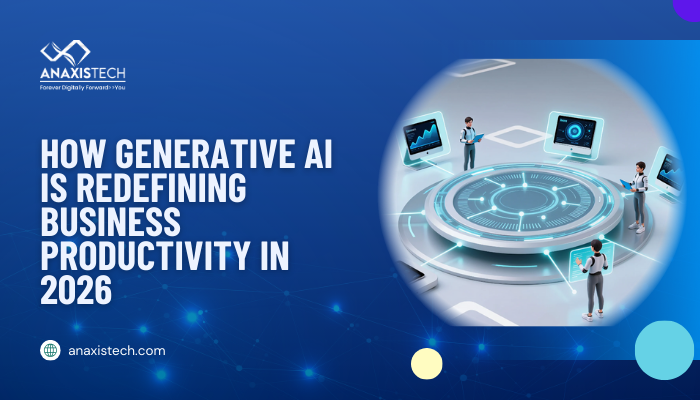
In today’s competitive landscape, enterprises are under constant pressure to improve efficiency, streamline operations, and reduce expenses. Generative AI has emerged as one of the most transformative technologies helping organizations achieve these goals. Through automation, intelligent insights, and rapid output generation, businesses are experiencing measurable improvements in productivity and profitability.
This shift is often referred to as generative ai cost reduction—a strategic approach where companies leverage generative AI to minimize manual labor, eliminate inefficiencies, and optimize resource allocation.
Why Generative AI Is a Game-Changer for Cost Optimization
Unlike traditional automation, which follows predefined rules, generative AI can create content, write code, generate insights, design workflows, and even propose solutions. This flexibility means enterprises can apply it to multiple departments, significantly reducing operational workloads and costs.
Generative AI works around the clock, scales effortlessly, and performs tasks that typically require large teams—all while improving accuracy.
Top Ways Generative AI Reduces Operational Costs
1. Automating Repetitive Tasks
Generative AI automates routine processes such as reporting, documentation, email writing, data entry, and content generation. This reduces the need for manual labor and frees up employees for more strategic work.
2. Lowering Customer Support Costs
AI-powered chat and voice assistants handle common queries instantly, reducing dependence on large support teams. They can resolve issues, escalate complex cases, and provide 24/7 service without additional staffing costs.
3. Accelerating Software Development
Generative AI assists developers by writing code, debugging, generating test scripts, and improving documentation. Companies can deliver products faster with fewer resources, significantly contributing to generative ai cost reduction.
4. Reducing Marketing and Creative Expenses
Marketing teams use generative AI to create ad copy, blogs, visuals, and SEO content in minutes. This reduces spending on freelancers, agencies, and extended creative cycles.
5. Optimizing Supply Chain and Operations
Generative AI analyzes data patterns, predicts inventory needs, and suggests operational improvements. It reduces waste, prevents delays, and improves resource planning across supply chain activities.
6. Enhancing Decision-Making Efficiency
AI-generated insights help leaders make informed decisions faster. This reduces time spent on manual analysis and minimizes costly strategic errors.
Real Business Benefits of Generative AI Cost Reduction
- Lower staffing expenses through automation
- Reduced operational bottlenecks and process delays
- Higher efficiency with fewer errors
- Faster turnaround times across departments
- Better utilization of human talent
With the right implementation, generative ai cost reduction becomes a sustainable competitive advantage.
Industries Seeing the Biggest Cost Savings
- Finance: Automated reporting, fraud detection, compliance checks
- Healthcare: Documentation, patient communication, diagnostics support
- Retail: Personalized marketing, inventory optimization
- Technology: Accelerated development cycles and testing
- Manufacturing: Predictive maintenance, supply chain planning
Generative AI is driving cost efficiency across both digital and traditional industries.
Challenges to Consider
While the impact is significant, businesses must address:
- Data privacy and security controls
- Accuracy validation and human oversight
- Employee training for AI adoption
- Integration with existing tools and workflows
With proper governance, these challenges become manageable.
To maximize long-term value, businesses must focus not only on adopting advanced technologies but also on integrating them effectively into existing workflows. The real impact comes when processes are aligned with clear objectives, measurable outcomes, and continuous improvement strategies. Organizations that regularly evaluate performance, identify inefficiencies, and refine their systems are more likely to achieve sustainable cost savings. Additionally, empowering teams to work alongside intelligent tools ensures better collaboration and smoother adoption across departments. This balanced approach helps companies maintain efficiency, reduce unnecessary expenses, and build a scalable operational model that supports consistent growth over time.
Achieving operational efficiency is not just about reducing costs, but about improving how resources are utilized across the organization. Businesses that adopt a structured and strategic approach to process optimization can eliminate redundancies, improve turnaround times, and enhance overall productivity. By focusing on smarter workflows, better data utilization, and continuous performance monitoring, organizations can create systems that are both efficient and adaptable. This also allows teams to shift their focus from repetitive operational tasks to higher-value activities such as innovation, planning, and customer engagement. Over time, this shift leads to stronger business outcomes, improved scalability, and a more resilient operational framework that can adapt to changing market demands.
Conclusion
Generative AI is rapidly transforming how organizations operate. By automating repetitive tasks, improving decision-making, supporting development teams, and optimizing processes, generative AI delivers measurable and sustainable economic benefits. As more companies embrace generative ai cost reduction, the competitive gap between AI-enabled and traditional businesses will continue to widen.
The future belongs to organizations that leverage AI to do more with less—efficiently, intelligently, and at scale.




Leave a Reply